Why ceramic tint is non-negotiable in Tucson
Tucson sees more direct sunlight than almost any city in the United States. Cabin temperatures in a closed car in July climb above 140°F in under 30 minutes. Ceramic window tint blocks up to 99% of UV rays and rejects up to 80% of infrared heat — the wavelength that actually causes "feel" heat. UV rejection also protects your skin on long drives and prevents the dashboard cracking, leather fading and pillar discoloration that plagues uncoated cars after a few years in the desert.
Arizona tint laws — what's legal
Arizona law allows 33% VLT (Visible Light Transmission) on front side windows and any darkness on rear side windows and the rear windshield. Windshields can have a non-reflective UV strip across the top. In practice we install 35% ceramic on fronts (close enough to 33% that it passes), and customers typically choose 20% or 15% on rears for privacy.
Ceramic vs dyed vs carbon film
Dyed film is the cheapest tint on the market — rejects roughly 25% of infrared heat and fades to purple over time. Carbon film is the middle tier — better heat rejection, more stable color, no signal interference. Ceramic film is the top tier — up to 80% IR heat rejection, no metallic content (never blocks GPS, cellular, Tesla cabin sensors or FM), and a lifetime warranty against bubbling, peeling and fading. In a climate like Tucson the upgrade to ceramic pays for itself in cabin comfort and resale value within a year.
Window tint packages and pricing
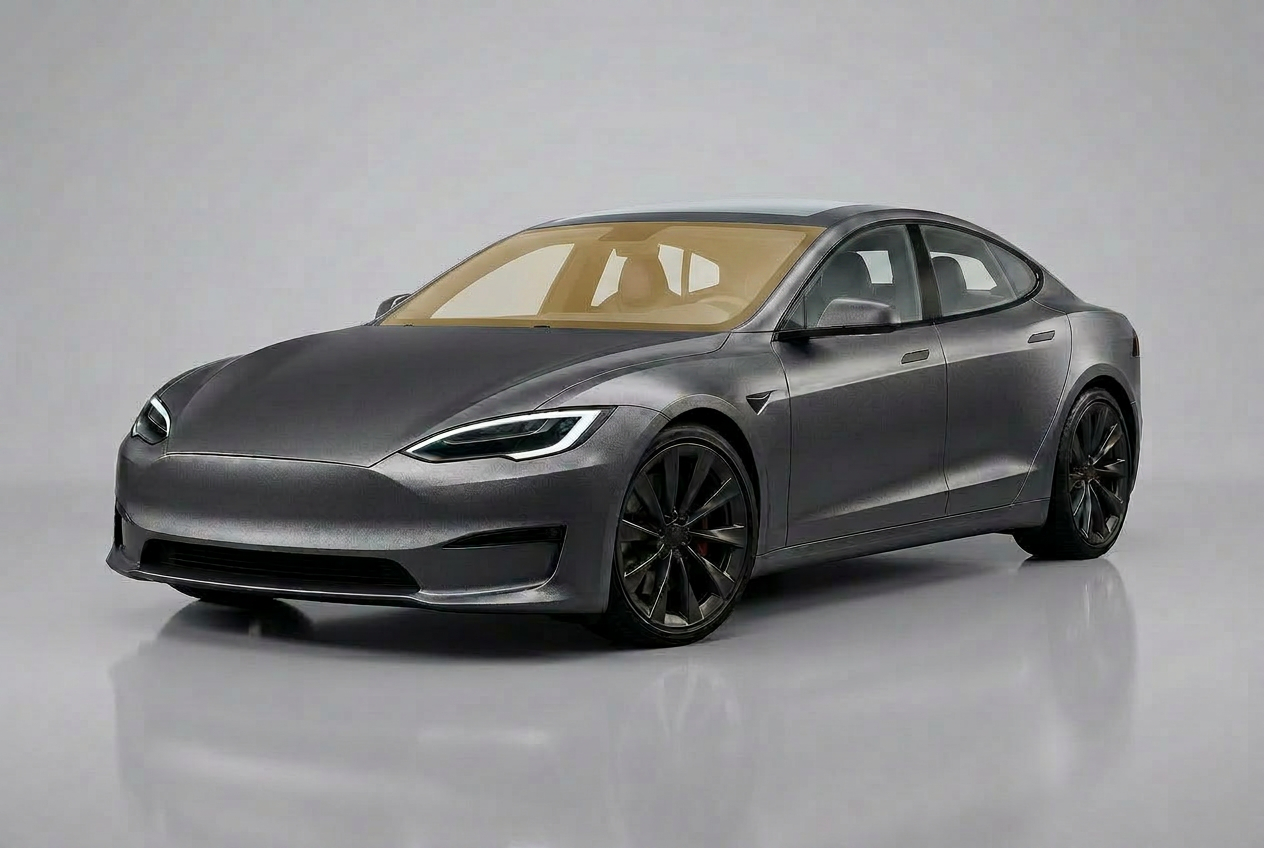
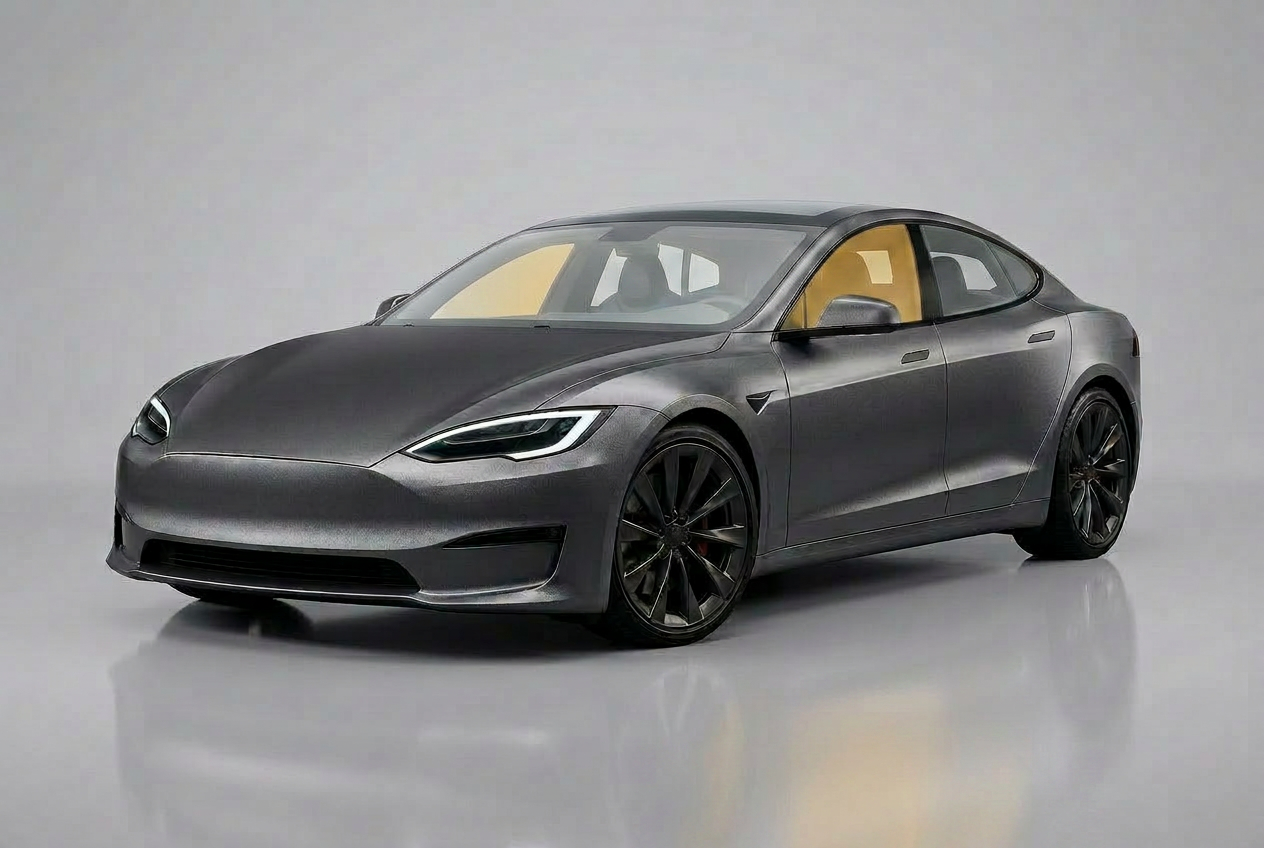
Two Front Windows ($149+) is the most common add-on for SUVs and trucks that arrive with factory rear privacy glass. Full Vehicle Tint ($399+) covers all four side windows and the rear glass. Windshield Only ($199+) is a clear or lightly-shaded ceramic film on the front windshield. The Tesla / EV Package ($599+) covers all side glass, rear, panoramic roof and a windshield UV strip.
Tesla and EV-specific tint considerations
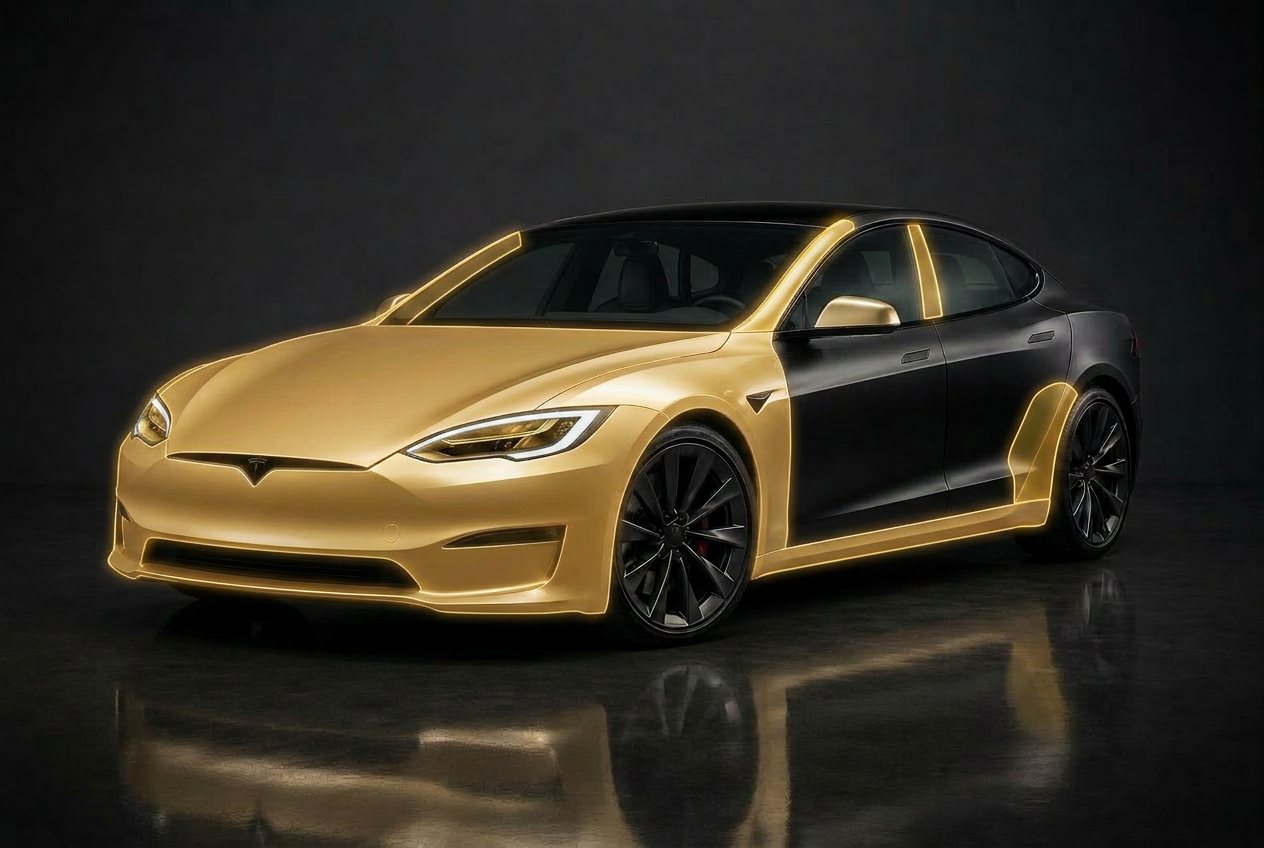
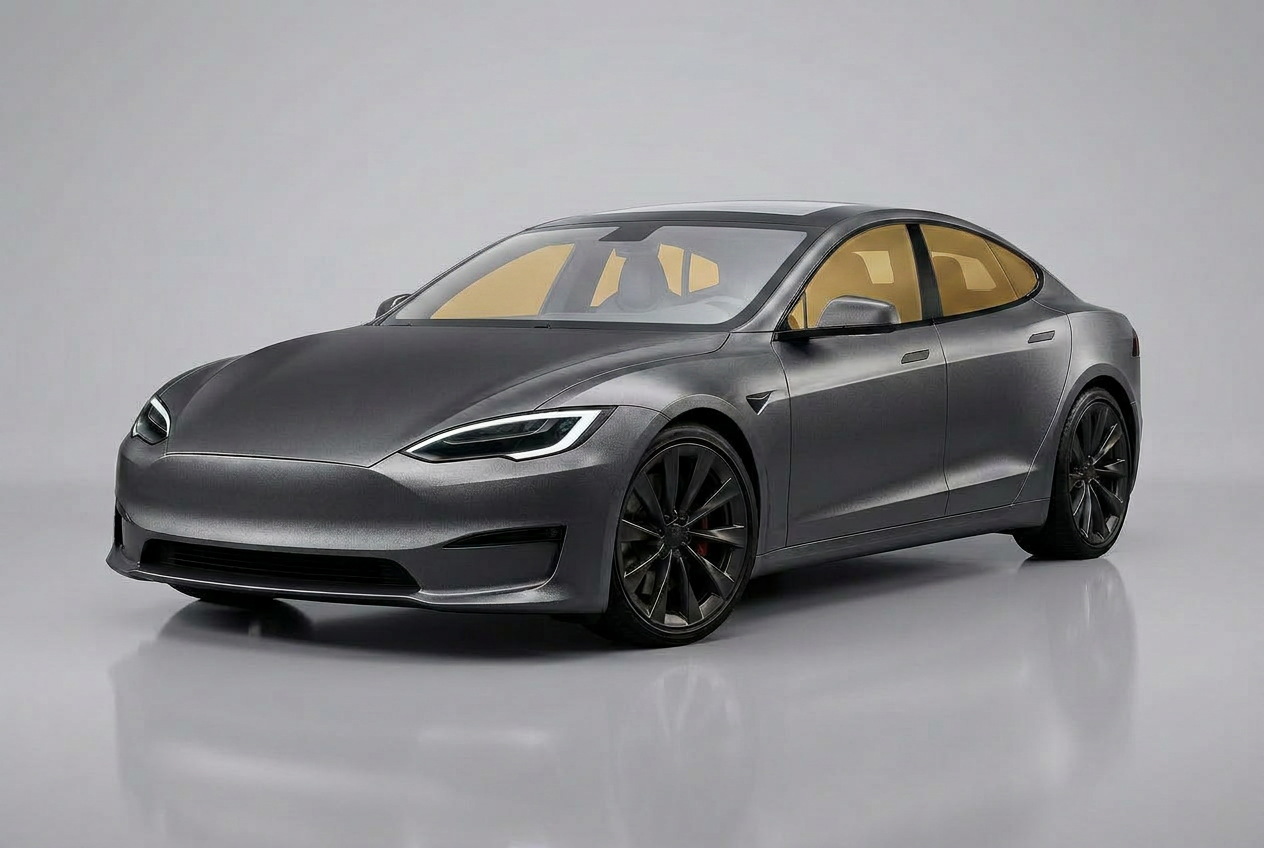
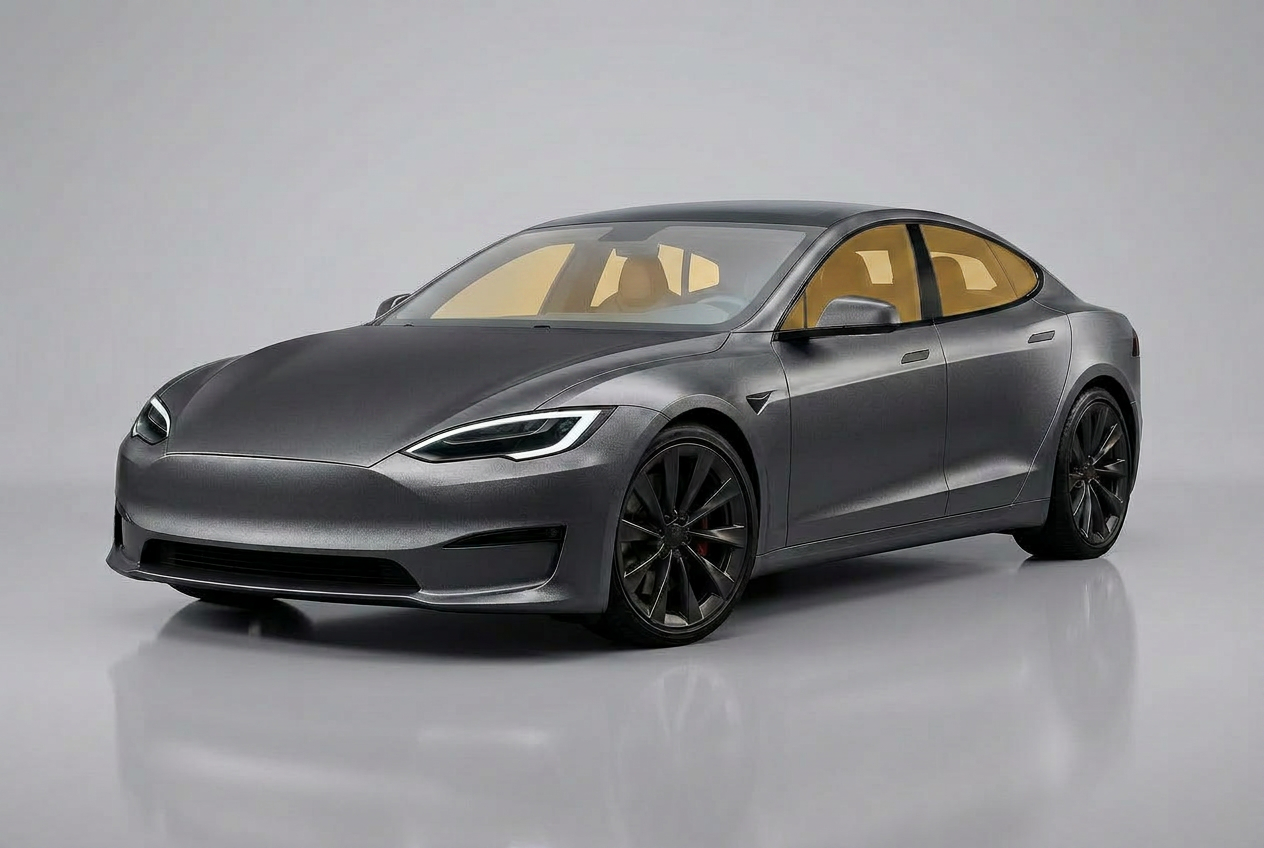
Modern Teslas come with factory IR-rejecting glass — but in a Tucson summer that's not enough. The panoramic roof in particular acts as a giant heat sink. We install premium ceramic film designed not to interfere with Tesla cabin sensors, autopilot cameras, or HomeLink. The combination of full-side ceramic + panoramic roof tint typically drops measured cabin temperature 15–20°F after a 30-minute soak in the sun. See our Tesla page for model-specific breakdowns.
Where we install — Tucson and beyond
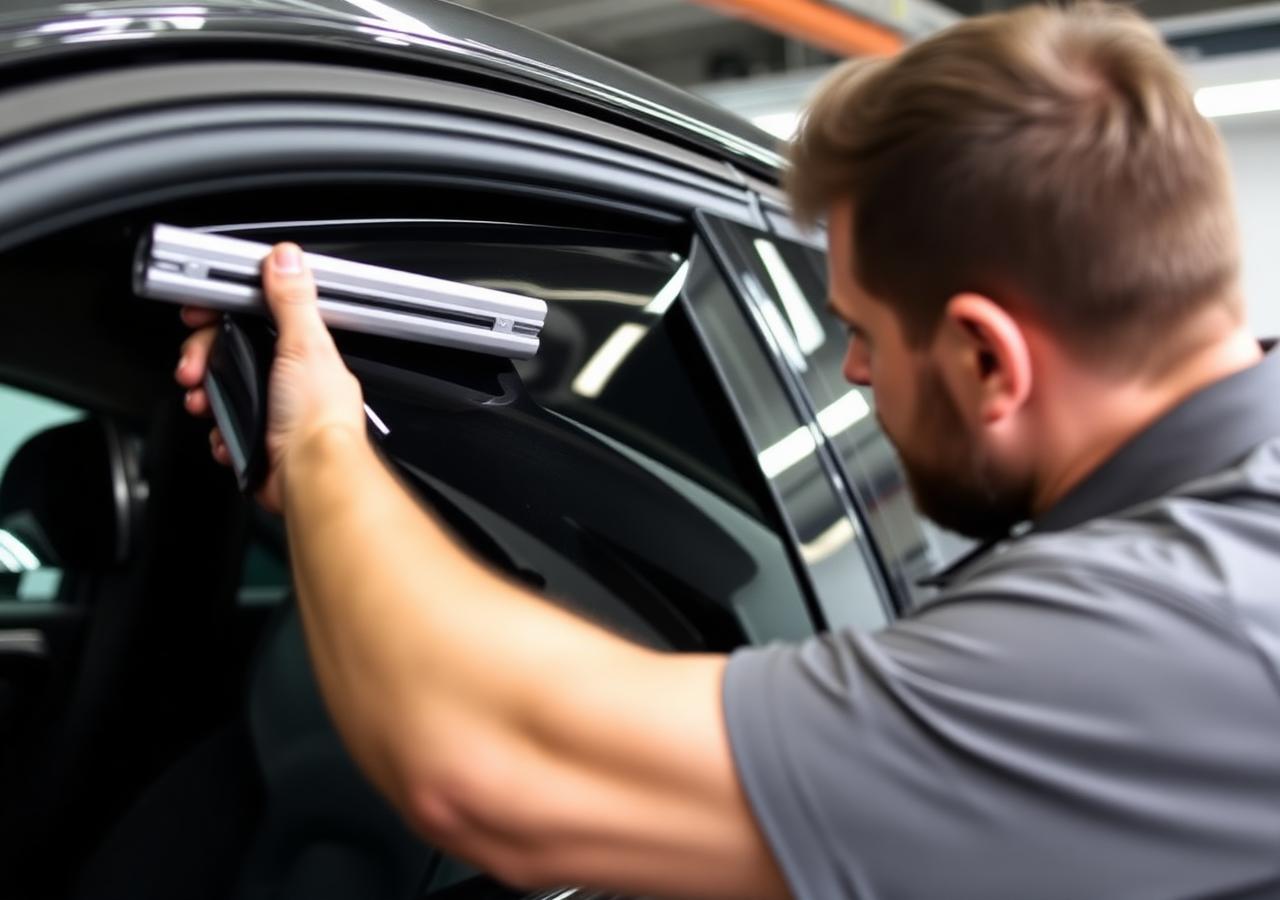
Window tint installs happen in our dust-controlled Tucson studio. We serve Tucson, Oro Valley, Marana, Catalina Foothills, Vail and Sahuarita. Two front windows take about 45 minutes; full vehicle tint is 2–3 hours; the Tesla / EV package is roughly half a day. All ceramic installs carry a lifetime warranty.